3D SVG Shapes for Modern Blog Graphics: The Bee Mandala Cut File Review
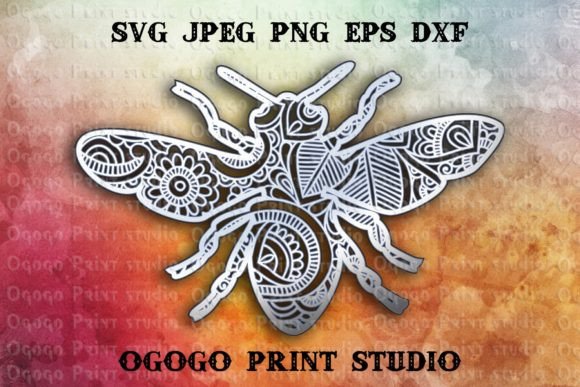
As a seasoned blog designer and digital publisher, I’m always on the lookout for graphic design assets that can elevate content visuals without compromising editorial clarity or brand consistency. Recently, I tested Bee Svg - 3D Layered Mandala SVG across multiple publishing formats and found it to be an intriguing addition to any creative toolkit. This layered bee cut file brings a touch of whimsy, artistry, and professionalism that can work wonders in lifestyle, wellness, and nature-focused content marketing.
First Impressions: Aesthetic Mood and Niche Fit
The moment I opened the 3D layered mandala SVG, I could sense its editorial potential. The intricate details and three-dimensional feel of the design give it a modern yet organic vibe. It’s clearly not meant for corporate websites or high-tech product pages but fits beautifully into niches like mindfulness, eco-friendly living, floral aesthetics, and artisanal crafts. The bee motif adds a subtle layer of symbolism—hard work, community, and nature—which makes it ideal for content that wants to convey warmth and intentionality.
This asset feels more artistic than minimalist, making it suitable for blogs and brands with a soft, feminine, or bohemian aesthetic. Its layered structure allows for depth when printed or displayed digitally, which helps it stand out in both editorial layouts and social media graphics. However, I’d caution against using it in environments where minimalism is key, such as finance or tech-related content, as it might clash with the desired tone.
Editorial Use Cases for Bee Svg in Content Publishing
In real-world publishing workflows, I see this 3D SVG shape shining in several areas:
- Blog Featured Images: The mandala layers offer a rich background that can complement headlines about self-care, yoga, natural beauty, or sustainability.
- Pinterest Pin Design: With its vibrant detail and scalable vector format, this SVG works great as part of a Pinterest pin layout, especially if you're targeting DIY, meditation, or craft communities.
- Newsletter Headers: Adding the bee SVG beside a clean headline instantly elevates the visual appeal of your email subject lines or headers.
- Digital Guides and Worksheets: As a decorative border or header accent, it adds personality without overwhelming educational or informational content.
- Downloadable Resources: Perfect for creating eye-catching lead magnets or printable guides in niches like journaling, home decor, or seasonal themes.
- Category Thumbnails: The distinctiveness of the bee design helps readers quickly recognize categories related to lifestyle, spirituality, or creativity.
- eBook Covers: When used subtly in the background, it supports a modern, artistic look for covers focused on holistic living, personal growth, or creative hobbies.
Enhancing Visual Hierarchy and Click-Through Potential
One of the strengths of Bee Svg lies in how it supports stronger first impressions and clearer visual hierarchy. When placed behind or beside a headline, it draws attention without competing with text. In fact, the way it layers naturally allows for partial transparency or color overlay effects that can enhance the mood of your message.
I’ve seen similar SVGs fall flat due to poor contrast or overuse, but this one has enough negative space built into the design to make it flexible. You can scale it up for hero images or shrink it down as a small icon in sidebars or footers. Either way, it contributes to better click-through potential by making your content more visually engaging and trustworthy.
Branding Consistency and Reader Trust
Consistent branding is crucial for building reader trust. The mandala monogram SVG offers a unique visual signature that can become part of your brand identity. Whether you’re designing website banners, affiliate marketing visuals, or Canva templates for your team, this SVG adds a cohesive, recognizable element that ties your content together.
Its presence also communicates quality. Readers associate well-designed elements with credible, professional sources. So whether you're running a small business blog or an online course platform, using this design in strategic places like article thumbnails or social media previews can improve perceived value and engagement.
Where This Asset Works Best
Here are some specific use cases where Bee Svg delivers the most impact:
- Hero Images: Use the full-size version as a background or overlay in blog headers to create a welcoming, inspiring mood.
- Article Thumbnails: The layered structure ensures it looks good even at smaller sizes, helping posts stand out in feeds or archives.
- Social Media Previews: Pair it with bold typography to generate shareable content that reflects your brand's visual story.
- Content Upgrades: Incorporate it into downloadable printables, checklists, or templates to give them a polished finish.
- Media Kits: As part of a brand kit or press materials, the bee SVG adds a memorable visual component that aligns with lifestyle messaging.
- Canva Templates: This design asset integrates smoothly into drag-and-drop platforms, giving non-designers a pro-level option for their content publishing needs.
Use Carefully in These Situations
While versatile, there are scenarios where this SVG might not perform optimally:
- Small Mobile Thumbnails: Due to its complexity, the design may lose clarity at very low resolutions. Simplify or reduce the number of visible layers for mobile optimization.
- Text-Heavy Blog Images: If your post relies heavily on reading text, the mandala might distract from the message. Use it sparingly or in the background.
- Low-Contrast Backgrounds: Test it with different color palettes to ensure legibility. Avoid placing it on gray or muted tones unless you adjust the colors accordingly.
- Busy Layouts: Don’t stack too many layered elements around it. Let it breathe in your designs to maintain editorial focus.
- Corporate or Professional Niches: While it can work in some hybrid spaces, this design leans toward lifestyle and creative markets. Adjust contextually if you want to use it in more formal environments.
Publisher Notes: Practical Tips for Real Use
Before integrating this graphic design asset into your web design projects, consider these practical steps:
- Test on Desktop and Mobile Screens: Make sure the bee SVG remains legible and impactful across all device types.
- Check Thumbnail Performance: Preview how it looks when compressed or scaled down for blog archives or social media grids.
- Preview Inside a Real Blog Layout: See how it interacts with fonts, spacing, and other design elements on live pages.
- Test with Headline Text: Ensure the placement doesn’t interfere with readability. Play with opacity settings to balance form and function.
- Review Contrast and Readability: Especially important for accessibility compliance and SEO-driven content visibility.
- Try in Black and White: Evaluate its effectiveness in grayscale for printables or black-and-white sections of your site.
- Font Compatibility: I tested it with serif, sans-serif, script, handwritten, and display fonts. It pairs best with softer typefaces like script or cursive styles that match the mandala’s artistic energy.
- File Size Considerations: Since it’s a layered SVG, keep an eye on file size for web performance. Compress it properly before embedding or linking.
- Confirm Commercial Licensing: Always double-check licensing terms before using it on monetized websites, affiliate content, or paid digital products.
Final Thoughts on Using Bee Svg in Content Workflows
Overall, Bee Svg - 3D Layered Mandala SVG is a standout asset for anyone involved in content publishing who values a balance between creativity and usability. Its layered structure gives you control over how much emphasis you want to place on the design while still maintaining a professional look. And with a portion of sales going to charity, it’s also a great choice for socially conscious creators.
If you're working on blog graphics, editorial accents, or downloadable resources, this mandala-style bee SVG can help you build stronger visual identity and category recognition. Just remember to tailor its use to your niche and test it thoroughly in real publishing contexts. Used wisely, it becomes more than just a decorative shape—it becomes a meaningful part of your brand storytelling.