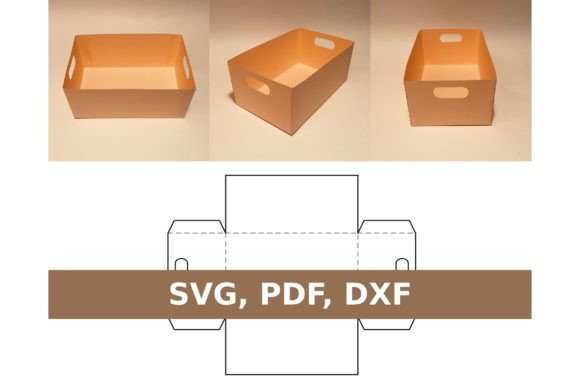
Movie Tray 3D SVG Gift Boxes
As a brand designer and content marketer, I’m always on the lookout for creative design elements that can elevate a campaign without overwhelming the audience. Movie Tray is one such graphic design asset that offers both functionality and visual appeal. Designed as a 3D SVG template, it’s a versatile tool for small business branding, digital product creation, and marketing visuals. Its ability to hold cups, bottles, and other containers makes it ideal for packaging design, product labels, and promotional graphics.
The First Impression: A Visual Statement
When I first saw Movie Tray, it immediately caught my eye with its clean lines and modern design. The 3D SVG format gives it a sense of depth and realism, making it stand out in a sea of flat graphics. It creates a mood that’s both professional and approachable—perfect for brands looking to balance style with practicality. Whether used in social media graphics or print materials, it adds a touch of sophistication without being too flashy.
This design asset works well for lifestyle content, event promotions, and editorial graphics. It feels right at home in a campaign focused on casual branding, handmade products, or seasonal offers. Its versatility allows it to blend into different visual styles, from minimalist to more elaborate layouts.
Real-World Application in Branding and Marketing
Movie Tray shines when integrated into real marketing projects. For instance, if a small business is launching a new product line, this design can be used as a packaging insert or a branded template for promotional materials. It supports brand identity by maintaining visual consistency across multiple platforms, from Instagram posts to email banners.
In packaging design, Movie Tray can serve as an accent element, adding a unique touch to product boxes or inserts. It also works well as a Canva template, helping content creators quickly produce social media covers, Pinterest pins, or blog graphics. Its compatibility with Silhouette and Cricut makes it a valuable printable design for DIY marketers and digital sellers.
For editorial design, this asset can be used as a decorative element in newsletters, magazines, or online publications. It adds a layer of visual interest without distracting from the main message. In digital ads, it can act as a hero graphic, drawing attention while maintaining a professional appearance.
Supporting Key Marketing Goals
One of the most valuable aspects of Movie Tray is how it enhances a campaign’s overall impact. It helps create a stronger first impression by offering a visually engaging element that aligns with modern design trends. This is especially important in crowded markets where standing out is crucial.
It also improves visual hierarchy, guiding the audience’s eye through the content without clutter. When used in lead magnets, content kits, or media kits, it reinforces brand recognition and builds audience trust. The design asset ensures consistent branding across all touchpoints, which is essential for small business branding and commercial design.
Additionally, Movie Tray contributes to better product presentation. Whether used in a digital ad or a printed flyer, it presents items in a way that feels organized and professional. This can significantly boost engagement and make a campaign more memorable.
Where Movie Tray Excels
Movie Tray is best suited for hero graphics, campaign headers, and product launch visuals. It can be part of a design bundle that includes other creative design elements, making it a valuable addition to any content marketing toolkit. As a social media graphic, it adds a polished look to Instagram posts and Facebook ads.
It also works well as a packaging accent, especially for brands that want to add a unique touch to their physical products. In editorial layouts, it serves as a decorative brand element that enhances the overall aesthetic. For content creators, it’s a reliable asset that can be used in content bundles, printable promotions, or digital product visuals.
Where to Use It with Caution
While Movie Tray is a strong design asset, it may not be the best fit for every project. In formal corporate branding, its playful nature might clash with a more serious tone. Similarly, in dense information layouts or text-heavy ads, it could compete with the main message rather than support it.
On small mobile screens, the details of the 3D SVG might not render clearly, so it’s important to test it in real-world scenarios. Low-contrast backgrounds can also diminish its impact, and overly minimal brands may find it too busy. When working with clients, it’s essential to ensure that the design asset aligns with their brand guidelines and visual direction.
Practical Designer Notes
Before using Movie Tray in a campaign, I recommend testing it with your brand color palette. Check how it looks in black and white and ensure it doesn’t lose its visual appeal. Place it inside real campaign mockups to see how it integrates with other elements. Preview it on mobile screens to confirm readability in smaller sizes.
Compare it against competitor visuals to ensure it stands out in the market. Test how it pairs with different font styles—serif, sans serif, script, or display fonts—to find the best combination. Review spacing and balance to maintain a cohesive layout. Finally, always confirm the commercial license before using it in paid campaigns, client work, or business branding.
Movie Tray is a powerful graphic design asset that can enhance a wide range of marketing efforts. Whether you’re building a content kit, designing packaging inserts, or creating social media graphics, it offers a professional and visually appealing solution. With careful consideration and thoughtful integration, it can become a key element in your creative design toolkit.